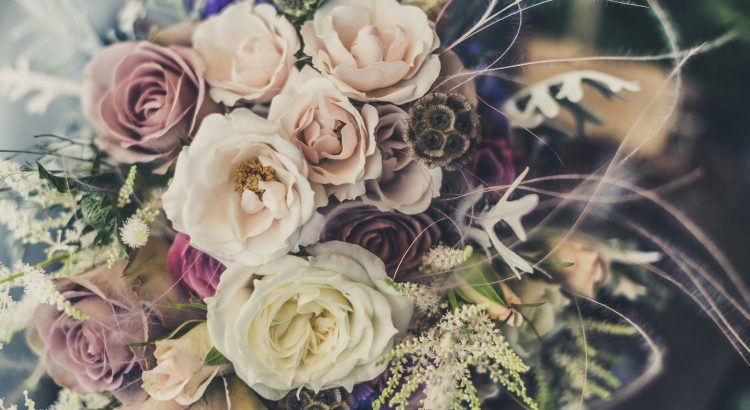
Flowers have long been used to express emotions when words are difficult to find. At a funeral or memorial service, the choice of flowers can communicate sympathy, respect, remembrance, love, and support for a grieving family. Different flowers, colours, and arrangements can carry their own traditional meanings, although personal and cultural preferences can also influence what a particular display represents.
Choosing appropriate funeral flower arrangements can therefore be a thoughtful way to honour someone who has passed away while showing care towards those left behind. The arrangement does not have to follow a strict set of rules. What matters most is that it is suitable for the occasion and reflects the relationship you had with the person or family.
Flowers can also contribute to the atmosphere of a service in a gentle and respectful way. Their colours, shapes, and presentation may help create a setting that feels peaceful and dignified. For those unsure about what to choose, understanding the common types of arrangements and their symbolism can make the decision easier.
- Wreaths can represent remembrance and the continuing nature of life.
- Bouquets may express sympathy, affection, and personal connection.
- Sprays are often chosen as formal tributes for a funeral service.
- Cross-shaped arrangements can have particular religious significance.
The Meaning Behind Funeral Flowers
Funeral flowers are often selected for more than their appearance. Traditionally, flowers have been associated with qualities such as love, purity, peace, hope, and remembrance. These meanings can provide a useful starting point when deciding what type of tribute would be appropriate.
However, flower symbolism is not universal. Meanings can differ between cultures, religions, families, and individuals. A flower that traditionally represents one quality may have a completely different personal significance to someone else.
The relationship between the sender and the deceased can also influence the choice. A close family member might select an arrangement with strong personal meaning, while a colleague or acquaintance may prefer a simple and understated tribute.
Wreaths and Their Symbolism
Funeral wreaths are among the most recognisable forms of floral tribute. Their circular shape has traditionally been associated with eternity, continuity, and the idea that love and remembrance continue beyond death.
A wreath can be appropriate when the intention is to create a formal and respectful tribute. It may be displayed at a funeral service, placed near a coffin, or used as part of a memorial setting depending on the family’s arrangements and preferences.
The flowers used within the wreath can add another layer of meaning. White flowers may create a sense of peace and dignity, while softer shades can provide a gentle and comforting appearance. More colourful flowers may be suitable when the arrangement is intended to reflect the personality or favourite colours of the person being remembered.
Sprays as Formal Tributes
Floral sprays are another common choice for funeral services. These arrangements are generally designed to be displayed prominently and can create a significant visual tribute without necessarily carrying the more specific symbolism associated with religious shapes.
A spray can be made using one type of flower or a combination of different varieties. The overall design can range from simple and understated to larger and more elaborate, depending on the sender’s relationship with the deceased and the nature of the service.
They are often chosen because they can convey respect while allowing considerable flexibility in colour and flower selection. This makes them suitable for a wide range of funeral and memorial settings.
Bouquets and Personal Expressions of Sympathy
A bouquet can provide a more personal way of expressing sympathy. Compared with some formal funeral displays, bouquets can feel softer and more individual, making them suitable for someone who wants to communicate affection or remembrance in a less structured way.
Bouquets can also incorporate flowers that had a particular connection to the deceased. For example, a person’s favourite flower or a variety associated with a meaningful occasion can make the tribute feel more personal.
There is no requirement for a bouquet to follow traditional symbolism exactly. In many situations, the personal connection behind the flowers may be more meaningful than their established floral meaning.
Cross-Shaped Arrangements and Religious Meaning
Cross-shaped floral arrangements may be selected when the deceased or their family follows a Christian tradition. The cross is a significant religious symbol, and incorporating it into a floral tribute can provide an expression of faith, remembrance, and spiritual hope.
The suitability of this type of arrangement depends on the family’s beliefs and the nature of the funeral service. If you are uncertain about whether a religious symbol would be appropriate, it can be helpful to consider the family’s traditions or ask the funeral home for guidance.
Religious considerations can be particularly important when arranging flowers for someone from a different cultural or faith background. A respectful approach is to avoid making assumptions and to choose an arrangement that aligns with the family’s known preferences.
Casket Sprays and Large Floral Displays
A casket spray is designed specifically to be placed on or over a coffin or casket. Because it is often one of the most prominent floral tributes at a funeral, it may be selected by immediate family members or those with a particularly close relationship to the deceased.
The design can be based around a particular colour scheme, flower variety, or personal theme. Some families prefer traditional white flowers, while others choose colours that remind them of the person’s character, interests, or favourite things.
Large displays can be visually striking, but size is not necessarily an indication of how much someone cared. A smaller arrangement can be equally meaningful when it has been chosen thoughtfully.
Common Flowers and What They Can Represent
Individual flowers can also carry traditional associations. These meanings are not fixed rules, but they can help when choosing a tribute.
Roses are often connected with love, respect, and remembrance. The colour can influence the traditional interpretation, with different shades commonly associated with different emotions.
Lilies are frequently associated with peace, purity, and the restoration of innocence. Their elegant appearance has made them a traditional choice for many funeral and memorial arrangements.
Carnations are valued for their long-lasting appearance and are sometimes associated with remembrance and affection. Their different colours can also create different visual impressions within an arrangement.
Chrysanthemums have important funeral associations in some cultures and countries, while in others they are used for many different occasions. This is a good example of why cultural context matters when choosing flowers.
Orchids can convey a sense of lasting affection, beauty, and respect. Their distinctive appearance can make them suitable when a more refined or contemporary tribute is preferred.
How Flower Colours Can Affect the Message
Colour can influence how an arrangement is perceived. White flowers are often associated with peace, dignity, purity, and remembrance, which makes them a common choice for funeral settings.
Soft pink shades may create a gentle and compassionate appearance, while red can communicate love and deep affection. Blue flowers may be associated with calmness, peace, and serenity.
Yellow and other brighter colours can sometimes be appropriate when the intention is to celebrate a person’s life rather than focus solely on grief. However, the suitability of brighter colours depends heavily on the family’s preferences and the tone of the service.
When selecting colours, consider the person being remembered. A traditional arrangement is not necessarily more appropriate than a colourful one if the latter better reflects their personality.
Choosing an Arrangement for Your Relationship With the Deceased
The relationship you had with the deceased can provide useful guidance when deciding what type of tribute to send. Immediate family members may choose larger or more personal displays, whereas friends, colleagues, neighbours, or professional contacts may select something more understated.
Consider these factors before placing an order:
- Think about your relationship with the deceased and how personal the tribute should feel.
- Consider the family’s cultural, religious, and personal traditions.
- Choose colours and flowers that are appropriate for the tone of the funeral.
- Check whether the funeral home or family has provided any specific floral preferences.
- Consider the size and type of arrangement that would suit the venue and service.
- If you know the person’s favourite flower, consider incorporating it into the design.
A thoughtful choice does not have to be elaborate. In many cases, a simple arrangement selected with genuine consideration can communicate sympathy just as effectively as a much larger display.
Considering Cultural and Religious Traditions
Funeral customs can vary considerably between communities. Some cultures have specific flowers, colours, or arrangements that are traditionally associated with mourning, while others may have different expectations about whether flowers should be sent at all.
For this reason, cultural awareness is an important part of choosing an appropriate tribute. If you are attending a funeral outside your own cultural or religious tradition, taking a little time to understand the family’s customs can help prevent an unintentional mistake.
Funeral homes and florists may also be able to provide practical guidance about customary arrangements. This can be particularly useful when the family has not given detailed instructions.
When a Personal Touch Is Appropriate
A floral tribute can become especially meaningful when it reflects something about the person who has died. Favourite flowers, familiar colours, or a style associated with their personality can turn a conventional arrangement into a more personal expression of remembrance.
For example, someone known for enjoying gardening might be remembered with flowers that reflect their love of plants and nature. Similarly, a favourite colour could be incorporated into a tasteful arrangement without making the tribute feel overly informal.
Personalisation should still remain appropriate to the setting. The aim is to honour the individual while respecting the atmosphere of the funeral or memorial service.
Making a Thoughtful Choice
There is no single arrangement that is right for every funeral. Floral traditions can offer useful guidance, but they should not replace consideration of the person, their family, and their cultural background.
When selecting funeral flower arrangements, the most important qualities are usually thoughtfulness, respect, and suitability. A wreath may communicate remembrance and continuity, a spray may provide a formal tribute, and a bouquet may offer a more personal expression of sympathy.
Ultimately, flowers are one way of showing that someone is remembered and that their family is being supported during a difficult time. Whether the tribute is traditional, personal, simple, or elaborate, choosing it with care is what gives the gesture its meaning.